
Discover innovative, patented products &
Healthy Basement
Solutions
Discover innovative, patented products & proven solutions for a dry, healthy Basement or Crawlspace.
.
Ensuring your family’s well-being demands a dry basement and optimal air quality.
This protects your home’s structural integrity while preventing future problems.
Basement flooding occurs when water penetrates the basement environment through multiple pathways. Common sources include over-the-foundation runoff, the cove joint (where walls meet the floor), cracks in walls or flooring, basement windows, or external issues like faulty siding, windows, or plumbing leaks.
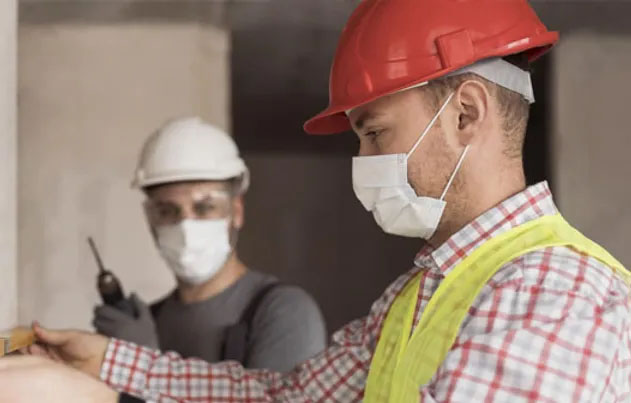
Basement Waterproofing Services
Excess moisture can cause significant damage, including the weakening of support beams and floor joists. This compromised wood threatens your home’s structural integrity and can attract pests like termites and cockroaches. Additionally, moisture can promote the growth of harmful mold and mildew, creating serious health hazards. The best way to avoid these problems is by installing a reliable waterproofing system to keep your basement or crawl space dry and protected.
Get a Free Estimate?
Commonly Occurring Basement Problems
ChatGPT
Water intrusion can appear in many forms, but we offer proven solutions for every situation. Explore further to identify the source of your water infiltration issues, or contact us to schedule a consultation with one of our certified foundation experts.
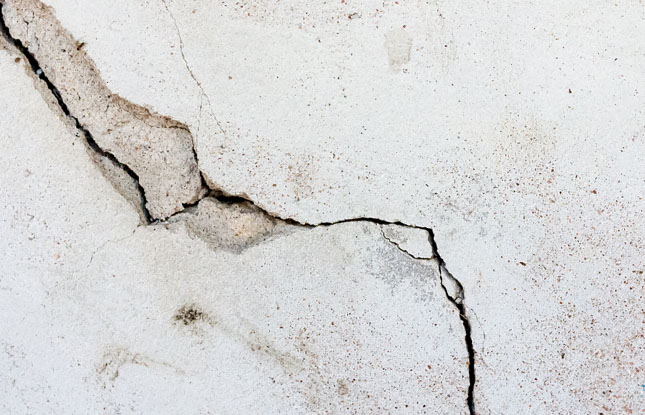
Leaking Wall Cracks
all cracks are a common problem in poured concrete foundations. While these foundations offer greater strength and are easier to diagnose and repair than masonry block or brick walls, they are still susceptible to cracking. Such cracks often appear within the first three months after construction, typically due to water evaporation during the curing process or substandard building practices.
The good news is that most cracks won’t worsen unless there’s an underlying structural issue. Although some believe that factors like harsh winters, heavy rainfall, or continued settling can lead to further cracking, significant worsening is unlikely without foundation movement. To resolve this issue, we use effective wall crack repair techniques that seal the crack and prevent future expansion.

Cove Seepage
Water entering your basement through the cove joint—where the wall meets the floor—is another common problem. During heavy rains, rising groundwater, or hydrostatic pressure, can force water through this joint. This issue can be tricky to detect, as the water often recedes after the storm, leaving little evidence behind.
To address cove seepage, we recommend installing a drainage system to capture and direct the water to a sump pump.
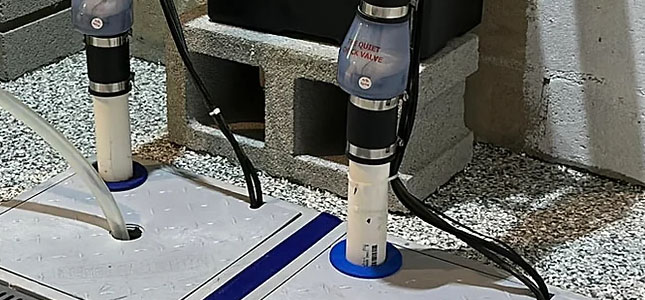
Sump Pump Problems
The sump pump is the heart of any basement waterproofing system, tasked with directing water away from your home. If the sump pump fails, it can cause backups in drain tiles and window well drains, leading to water pooling in your basement. That’s why having a dependable sump pump with a battery backup system is essential for peace of mind.
We provide a range of sump pump systems designed to handle varying levels of rainfall, ensuring your home remains protected.
Leaky Mortar Joints
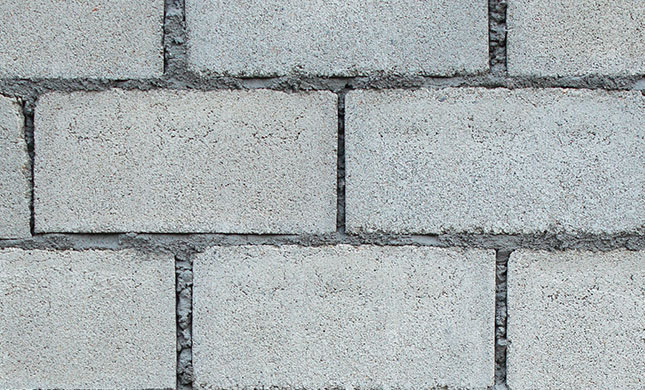
Many homes in Rhode Island have foundation walls made from materials like cinder block, brick, stone, or even wood, rather than poured concrete. Masonry foundations present greater challenges for keeping basements dry since their walls are not solid but rely on mortar to secure individual blocks or stones. Over time, this mortar can break down, allowing water to seep through the joints.
These foundation types are also more prone to structural issues. However, we offer drainage systems specifically designed to work effectively with block walls, preventing water from entering your home.
Water Filling Window Wells
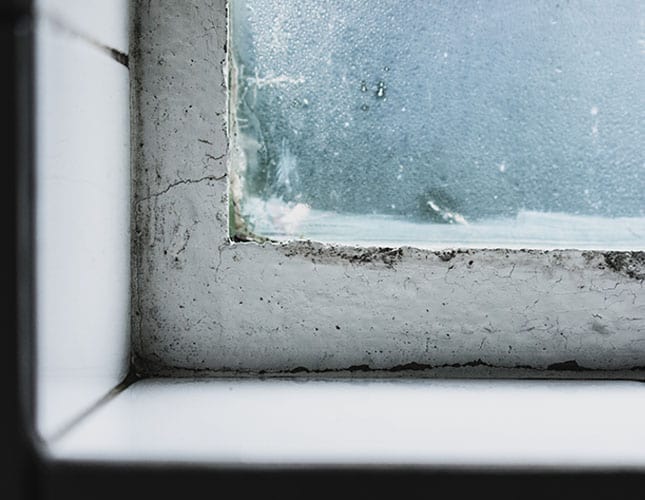
Basement windows offer natural light and are essential for fire escape code compliance if your basement serves as a living space. However, they can become problematic when they fill with water and overflow into your basement.
Several factors contribute to water filling window wells:
- Improper covers that allow rain to pour in.
- Window wells with dirt floors or walls that permit groundwater seepage.
- The absence of a drain or a clogged drain due to debris.
We offer two solutions to prevent leaking window wells. One involves installing new window wells with covers to disperse water. The other solution is to install a drainage system within the window well to direct excess water away before it can accumulate and spill over.
Cracks in Floors
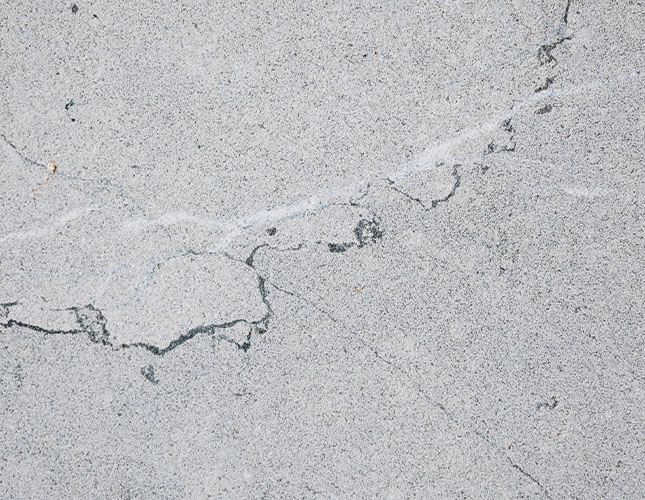
Saturated soil can create hydrostatic pressure beneath basement floors, causing water to push up through cracks or the cove joint. While sealing these cracks might seem like a solution, it can increase pressure under the floor, potentially leading to buckling and expensive repairs.
The long-term solution is installing a drainage system and sump pump to manage the water table beneath the floor. One of our certified foundation consultants can recommend the best approach for your home.
It’s common for basement floors to develop cracks during the curing process, much like poured concrete walls. These cracks are usually cosmetic and don’t affect structural integrity. However, if your basement floor is settling or sinking, it could signal a deeper structural issue. Prompt evaluation by one of our Certified Foundation Consultants can help prevent further damage and protect your home’s foundation.
Water Over the Top of Foundation
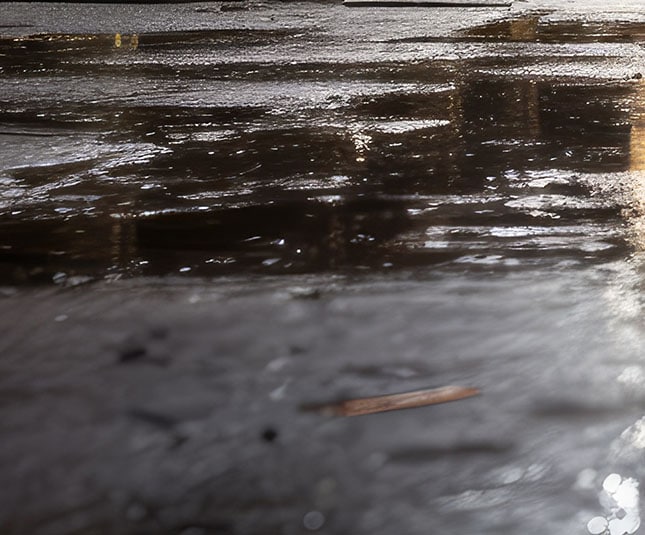
If you notice water entering your basement over the walls, the first step is to determine whether the source is above or below grade (ground level). Water entering at the top of the wall often stems from issues like deteriorated caulking, damaged tuckpointing, leaky windows, or roofing problems. When water penetrates the exterior of your home, it can flow through hollow spaces in the walls and spill into the basement without leaving visible signs upstairs.
To identify a below-grade issue, inspect the spillover joint where the top of the foundation wall meets the main floor’s floor joists. If this joint is below ground level, saturated soil can lead to water entering your basement.
The most reliable way to identify a below-grade problem is by performing a water test. On a dry day, place a hose on the ground near the foundation (ensuring nothing above grade gets wet) and let it run for five to ten minutes. In wet conditions, this timeframe may suffice, but in dry conditions, it might take longer. If water leakage occurs, one of our certified foundation consultants can provide a permanent solution to resolve the issue.
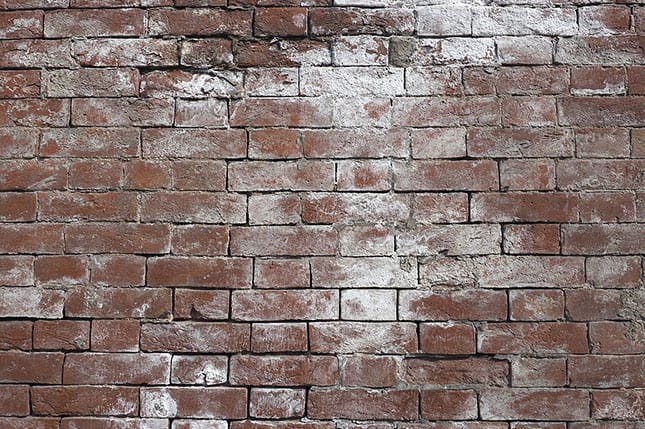
Efflorescence
Efflorescence, a common basement problem, appears as white, flaky deposits on walls. The porous nature of cement absorbs moisture from the surrounding soil, allowing it to slowly seep into the basement through wall cracks. As the moisture moves through the concrete foundation, it carries minerals from the soil and lime from the cement itself. When the moisture evaporates, it leaves behind the white, powdery residue.
While cleaners and DIY solutions can remove these deposits, they don’t address the root cause. The only lasting solution is to eliminate the source of moisture. Since water can infiltrate in various ways, we provide tested and effective solutions to tackle these issues and prevent efflorescence from returning.
Navigate back to the Homepage or explore other sections such as Conditioned Living Spaces Services, Attic Services, and Outdoor Living Services for more tips and recommendations.